


Related Post

Why a Controlled DNA Shearing Instrument Boosts Detection Speed
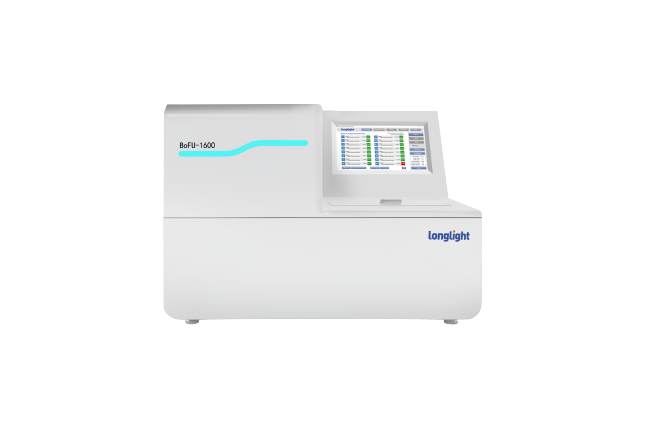
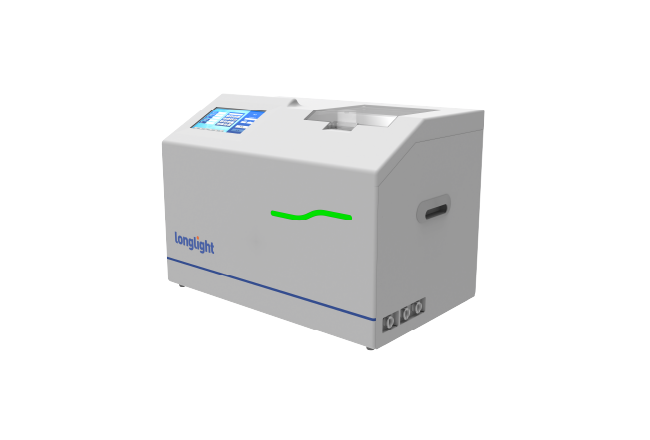
2025-12-17A Controlled DNA Shearing Instrument is becoming a quiet hero in modern laboratories, yet many people outside the lab have barely heard of it. This compact device uses precisely controlled ultrasound to break open cells and fragment DNA or chromatin in a highly reproducible way. It has already become a core tool in next-generation sequencing prep, proteomics, chromatin research, and MALDI-TOF microbial identification in leading hospitals and research centers. By turning slow, manual lysis steps into a standardized, automated process, a Controlled DNA Shearing Instrument is changing how scientists handle even the most stubborn bacteria and fungi. But how exactly does this technology boost detection speed so dramatically - and why are more labs starting to see it as essential rather than optional?
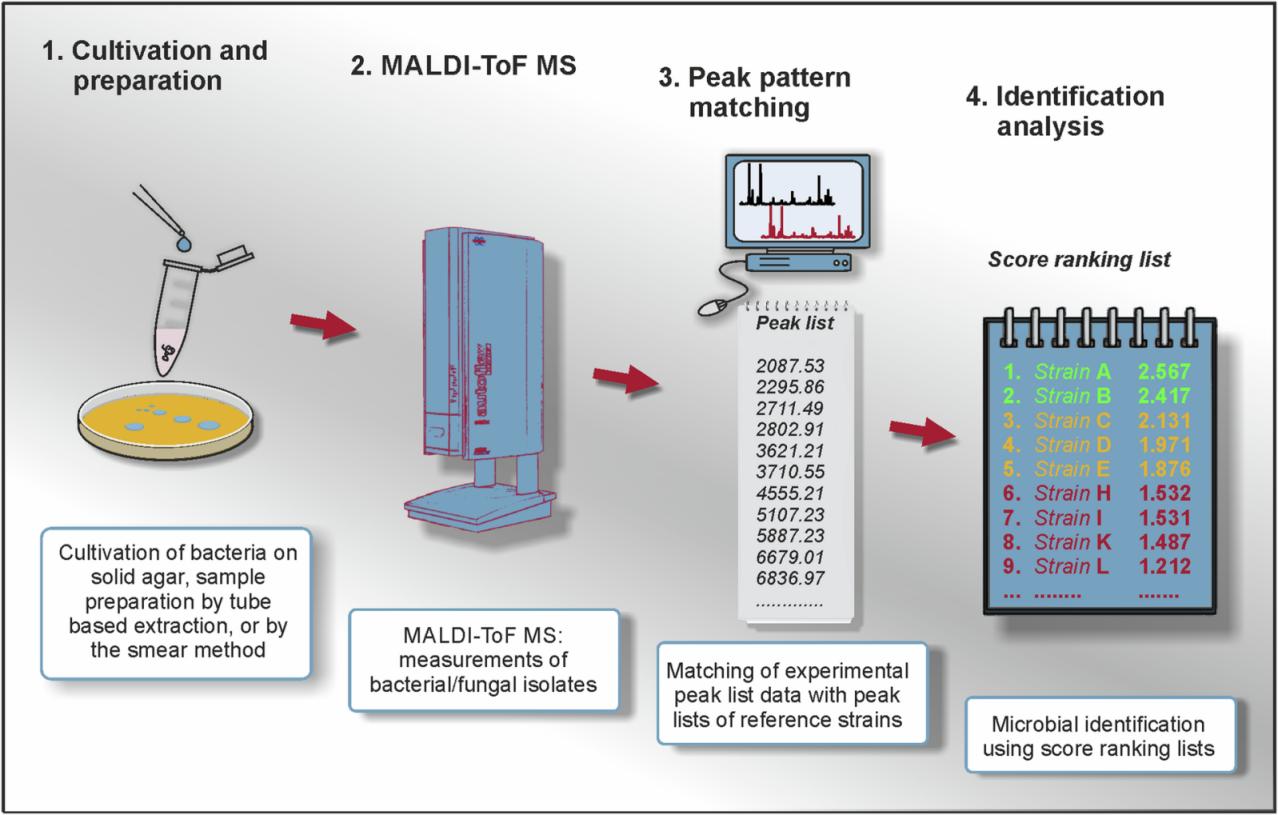
(A MALDI-ToF mass spectrometry database for identification
and classification of highly pathogenic bacteria | Scientific Data)
Why Detection Speed Still Falls Short in Many Labs
MALDI-TOF mass spectrometry has changed the game for microbial ID. It reads the unique protein fingerprint of bacteria and fungi and can match them to a database within minutes. But the instrument can only work with what it is given. When the sample is hard to lyse, even the best system will struggle.
Microorganisms such as mycobacteria, Nocardia, filamentous fungi, and spore-forming strains have robust cell walls that resist standard preparation methods. To extract enough protein, staff often need many colonies and several chemistry-heavy steps. Ethanol inactivation, formic acid - acetonitrile extraction, repeated vortexing and centrifugation all add time and complexity to the routine.
Each extra step also increases risk. Opening tubes multiple times can generate aerosols and contaminate the bench or operator. Transfers between tubes can introduce variability and reduce protein recovery. If the final protein yield is low, MALDI-TOF spectra are weak or noisy, and the system may fail to give a reliable ID. The technology itself is fast; it is the upstream workflow that slows everything down.
At the same time, lab managers are under constant pressure to do more with less. Sample volumes keep rising, but staffing levels often do not. Training new colleagues on long, manual protocols takes time, and results can vary from person to person. This is exactly where a Controlled DNA Shearing Instrument, based on focused ultrasound, can make a noticeable difference.
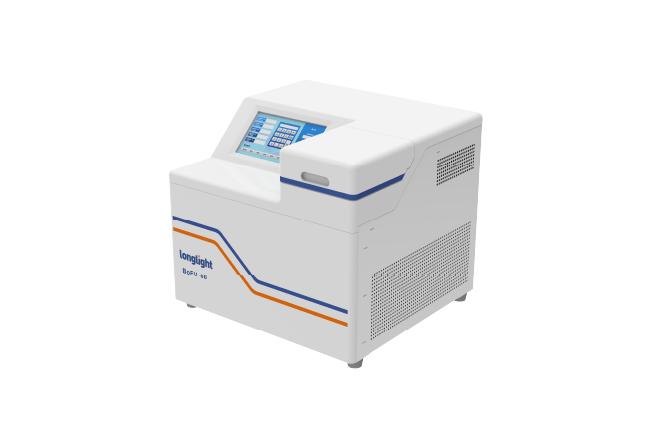
How a Controlled DNA Shearing Instrument Speeds Things Up
A Controlled DNA Shearing Instrument concentrates high-frequency ultrasound directly into the sample tube. Instead of relying mainly on harsh reagents and manual mixing, it uses acoustic energy to crack open stubborn cell walls in a targeted and controlled way. The goal is simple: shorten prep time while improving extraction quality.
Faster Prep for Difficult Microorganisms
For slow-growing or difficult-to-break organisms, waiting is one of the biggest pain points. Traditional protocols can keep a sample on the bench for 20 - 30 minutes or longer before it is ready for MALDI-TOF. With focused ultrasound, the core lysis step typically finishes in about 60 seconds, and the full process from colony to extract can be completed in under five minutes.
✅A complete workflow measured in minutes, not half hours
✅Adequate protein from just 1 - 2 colonies or a few spores
✅Less pressure to grow extra culture simply to reach detection limits
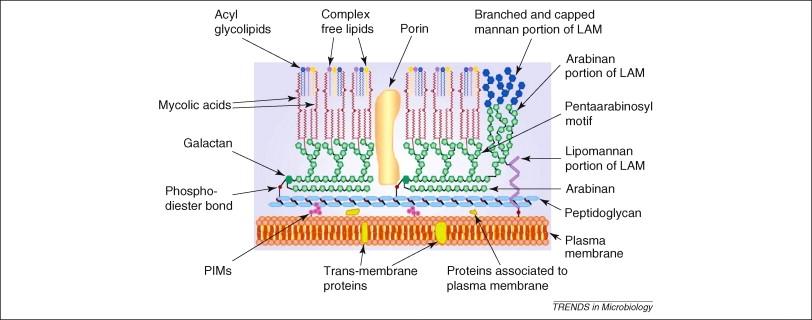
(Mycobacteria - an overview | ScienceDirect Topics)
Because the instrument works efficiently with small sample volumes, labs no longer need large amounts of biomass to achieve a strong signal. That is particularly important for mycobacteria and other slow growers, where every extra culture day delays reporting.
Cleaner and Safer Closed-Tube Operation
Many conventional methods require tubes to be opened and closed several times as reagents and solvents are added. Each opening is a chance for microorganisms or chemicals to leave the tube and enter the workspace. Over time, this increases the risk of exposure and cross-contamination.
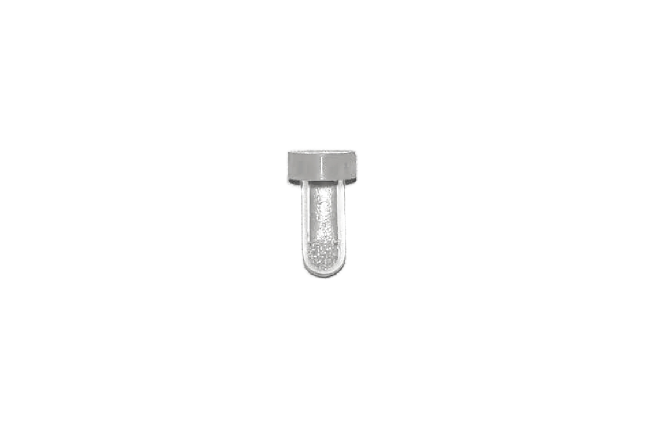
With a Controlled DNA Shearing Instrument, the workflow is designed around closed tubes. The operator adds the colony and extraction reagent once, seals the tube, places it in the instrument, and starts the run. The ultrasound energy is delivered through an isothermal water bath without direct contact with the sample, so there is no probe to clean and no tip to replace.
Using a closed tube and low-touch handling brings real operational value:
✅Reduced aerosol formation and improved contamination control
✅Streamlined handling steps with fewer error-prone actions
✅Clear, easy-to-follow protocols that shorten the training curve
In high-throughput settings, this supports a safer bench and more stable results over long runs.
Stronger Signals and Higher Detection Rates
Speed alone is not enough; detection performance has to improve as well. Focused ultrasound helps the extraction reagent penetrate and solubilize the cell wall more effectively. Under the same microbial load, more intracellular proteins are released into the solution. For MALDI-TOF users, this typically means cleaner spectra, higher peak intensity, and a better chance of reaching a high-confidence match in the database.
Another benefit is control. A Controlled DNA Shearing Instrument maintains tight temperature regulation during sonication. Because the process runs in an isothermal, non-contact water bath, samples are shielded from damaging hot spots. This protects sensitive proteins and nucleic acids from heat-induced degradation and supports reproducible shearing or lysis conditions from run to run.
Each unit is carefully calibrated so that the acoustic energy delivered to the sample is consistent. This reduces the variability introduced by manual techniques and supports standardized workflows across different teams, days, and even locations.
Turning Rapid Detection into Everyday Routine
Once sample preparation becomes quick, clean, and predictable, laboratories can get much more value out of their MALDI-TOF and sequencing platforms. A Controlled DNA Shearing Instrument helps convert challenging organisms - from mycobacteria to filamentous fungi - from "special cases” that need extra hands into routine specimens that fit easily into the daily schedule.
Clinical microbiology labs gain faster turnaround for critical pathogens and fewer repeat runs due to weak spectra. Reference labs dealing with heavy MALDI-TOF workloads can push more samples through without overloading staff. Research groups in proteomics and chromatin studies benefit from controlled shearing conditions and improved protein or nucleic acid recovery, all from a compact benchtop system.
Lab leaders see the impact in daily operations: leaner procedures, simpler training, and less variability between operators. Scaling up sample volume becomes realistic without scaling up staffing at the same pace. In a world of tight budgets, that combination of speed, stability, and control is very attractive. If your bench scientists are still battling long workflows, inconsistent protein yield, or safety concerns, it may be the right moment to change course. A Controlled DNA Shearing Instrument can make sample preparation more efficient, more repeatable, and easier to manage.
Call to action
Ready to streamline MALDI-TOF and sequencing prep? Contact Longlight Technology for a quick consultation or demo and discover how focused ultrasound can cut your turnaround time.
