

Related Post

What Problems a DNA Gel Imaging System Can Solve Today
2025-11-21A DNA Gel Imaging System captures and analyzes bands from agarose or protein gels. It turns faint signals into clear, shareable images. Labs use it in PCR verification, cloning, SNP checks, and protein studies. It supports work behind CRISPR screens, cancer biomarker discovery, forensic DNA cases, and even COVID-19 lineage tracking. The goal is simple: faster, cleaner, defensible data. Yet many teams still struggle with weak bands, messy workflows, and missing audit trails. What if a few design choices could fix them all? In the next sections, we’ll show where the real bottlenecks hide – and how to remove them.
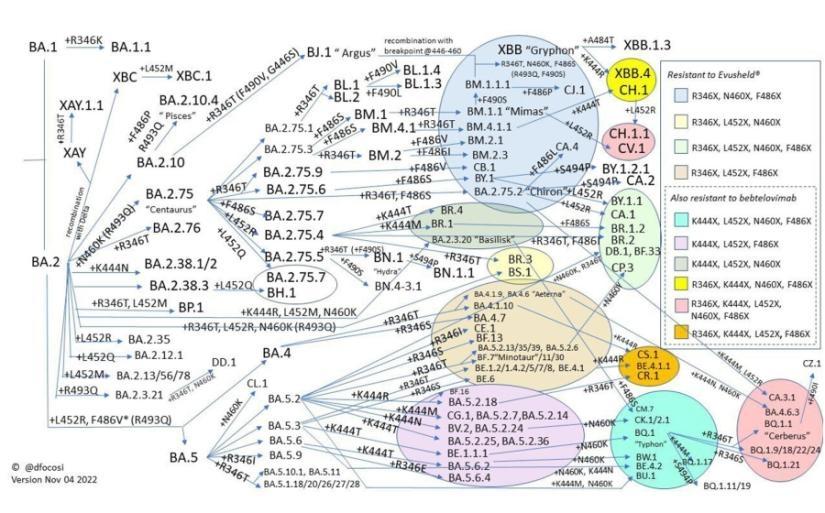
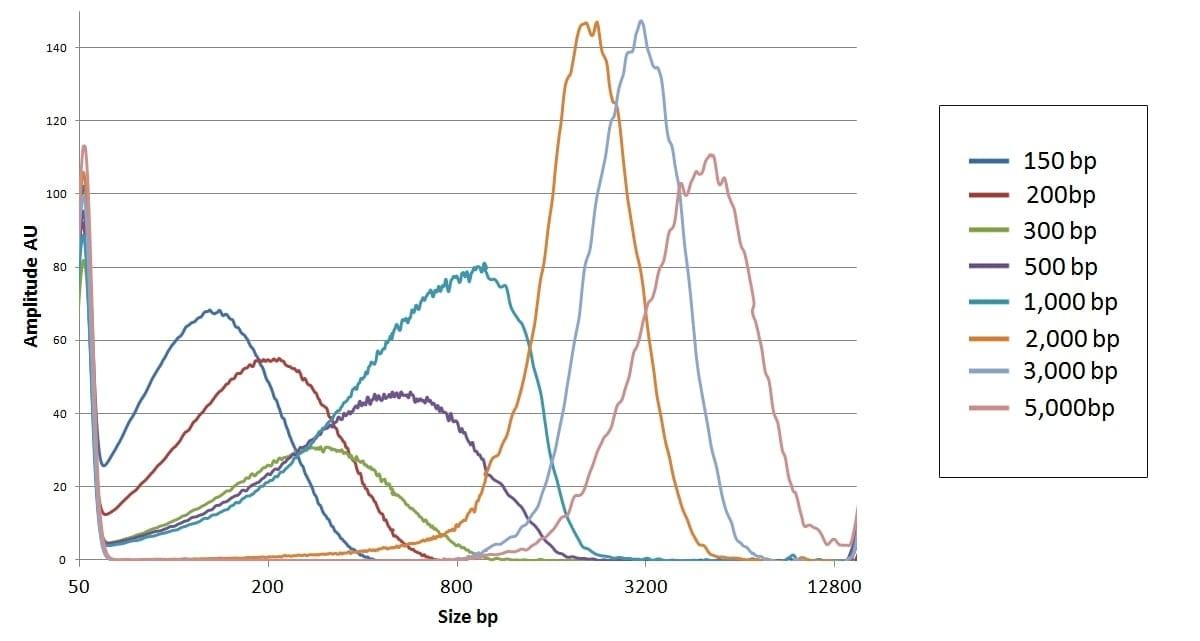
(Tracking COVID-19 omicron variants | Hub)
The Everyday Problems Labs Don‘t Need Anymore
Most labs still battle familiar headaches: faint bands, drifting exposure settings, and images that don’t match from one run to the next. These issues look minor on a single day, but over a quarter they burn hours, inflate reagent costs, and create doubt in results. At Longlight Technology, we design our DNA Gel Imaging System to remove these frictions at the source, so scientists can focus on results rather than rescue work.
Low-abundance targets are a prime example. When signal is scarce, the wrong optics or lighting forces users to overexpose, washing the background and hiding the very bands they’re trying to see. Our approach starts with sensitivity: a 6.3-megapixel, high-sensitivity CMOS camera and a 66 dB signal-to-noise ratio that preserve weak bands without the haze. The outcome is simple – a clean image on the first capture instead of the third.
Manual steps are another hidden tax on lab time. Hand-entering ladder sizes, saving images to disparate folders, or exporting to external tools introduces delays and errors. With on-device processing on a 12.1-inch touch display, you can capture, label, and store images in a unified flow. Automatic exposure, autofocus, and image enhancement standardize outcomes across users, so the same gel captured on Monday and Friday tells the same story.
- The Safety And Compliance Gap
Safety cannot be an afterthought. UV exposure during gel excision is risky when teams rely on improvised shields. Our DNA Gel Imaging System supports external cutting with a UV-shield plate, so users can see clearly while staying protected. On the compliance side, role-based user management, categorized logs, and full audit trails mean you always know who captured an image, when, and with what settings – vital for QA, audits, and regulated environments.
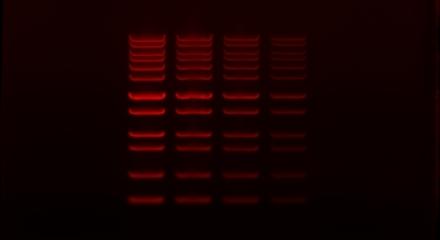
What a Modern DNA Gel Imaging System Actually Fixes
A modern platform should turn recurring pain points into predictable wins. That’s why Longlight Technology engineered clarity, control, and compliance into the core of the DNA Gel Imaging System – so every capture is faster, safer, and easier to defend.
- Clarity: See Weak Bands Without The Noise
Clarity is not just about resolution; it’s about recovering true signal. High-sensitivity optics and low background noise help reveal low-copy targets and delicate proteins. You can detect faint amplicons without pushing exposure until the gel becomes a gray field. For labs running stain-free or fluorescent workflows, the system supports UV, blue, and white transmissive light to match the dye and assay, rather than forcing a one-size-fits-none approach.
• Multi-source illumination (UV/blue/white) for broad dye compatibility
• Clean backgrounds that protect true band integrity
• Consistent imaging area sized for routine gels
- Control: Standardize Capture, Shrink Variability
Reproducibility lives or dies in capture control. With touch-first, onboard software, users can set exposure, focus, and enhancement in seconds, no PC juggling required. Automatic ladder recognition annotates band sizes on the spot, shaving minutes off each gel and reducing training time for new staff.
• Auto exposure, autofocus, and quick enhancement
• Marker auto-annotation for immediate sizing
• Onboard processing for faster decisions and fewer repeats
- Compliance: Traceable, Auditable, And Safer
Traceability is baked in. Role-based accounts enforce who can do what, while categorized logs and audit trails document every action for later review. When your DNA Gel Imaging System produces a file, it carries the metadata that matters – user, time, settings – so six months from now you can still reconstruct the run. For gel excision, the UV-shield plate and external cutting support protect eyes, skin, and downstream confidence.
• Role-based user management and audit trails
• Safer gel excision with UV shielding
• Clean records that accelerate QA sign-off
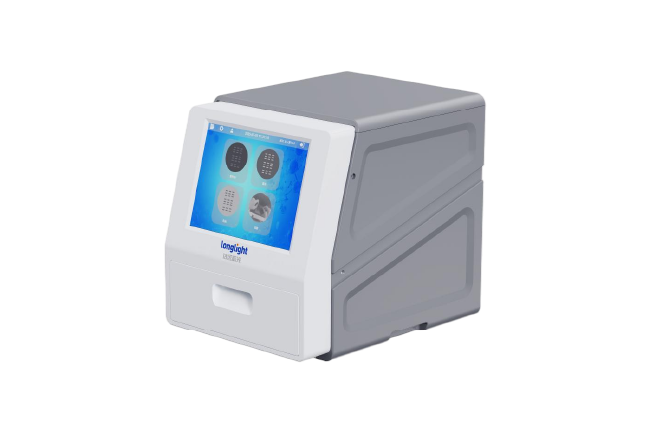
From Single Task to Shared Platform: the Longlight Approach
As labs diversify, a DNA Gel Imaging System must support more than nucleic acids. Ours handles nucleic acid gels, protein gels (including SDS-PAGE), colony imaging, fluorescent labels, and stain-free assays. Choosing the right light source – UV for sensitivity, blue light for DNA safety, white for colonies – means one device serves multiple teams without compromises.
This breadth pays off in operations. A cloning group can visualize DNA under blue light to reduce UV exposure. The protein team can capture faint bands with low background noise. A QC group can rely on automatic ladder sizing so weekly reports line up cleanly. Standardized methods travel across departments, and training gets easier because the steps are consistent: open the hood, position the gel, select light, capture, annotate, and archive.
We also think about the bench as it is – not as it appears in brochures. Space is tight, workflows shift daily, and power standards vary by region. The compact footprint fits crowded benches; universal power (100–240 V, 50/60 Hz) adapts across sites. The imaging area accommodates common gel sizes, while the interface reduces clicks to essentials. Most days, your team will: place the gel, select UV/blue/white, tap capture, review the enhanced preview, confirm auto-labels, and save directly to the project folder with all metadata attached. No file-maze. No “who ran this?” detective work.
❓ Why This Changes Outcomes?
When images are clean the first time, repeats drop. When annotation is automatic, sizing is consistent across users and days. When records are complete, QA and audits move faster. And when gel cutting is safer, people work with confidence. These small advantages stack into fewer delays, tighter budgets, and clearer decisions.
In short, a well-designed DNA Gel Imaging System is not just a camera in a box; it is a workflow accelerator that protects data integrity from capture to report.
Final Words
If you’re still wrestling with faint bands, manual ladder entry, or scattered image archives, it’s time to see the Longlight Technology DNA Gel Imaging System in action. Request a hands-on demo, benchmark your current setup against our capture quality, and quantify the ROI through fewer repeats and faster analysis. Let your next gel tell a story you can trust – clearly, safely, and with full traceability.
