


Related Post

Focused Ultrasonicator Instrument: 2026 Fungi/Nocardia Guide
2026-01-14The Focused Ultrasonicator Instrument offers accurate, noninvasive sonication tailored to microbial workflows. It preserves temperature stability and spectrum fidelity. This 2026 Fungi/Nocardia Guide presents applications for challenging organisms and routine workflows. It outlines methods, performance checkpoints, and library strategy. Key advances in identification and extraction follow. Details remain ahead. Readers will find stepwise protocols and evaluation markers.
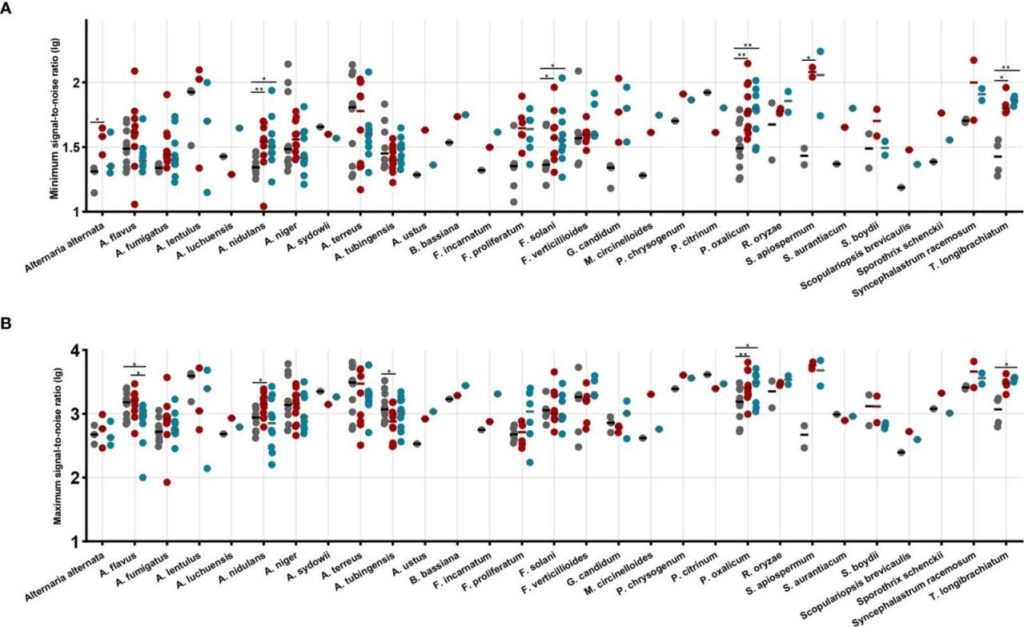
| Developing Two Rapid Protein Extraction Methods Using
Focused- Ultrasonication and Zirconia-Silica Beads for Filamentous Fungi |
What Is a Focused Ultrasonicator Instrument
A Focused Ultrasonicator Instrument concentrates high-frequency acoustic energy into a closed sample vessel to accelerate cell lysis and protein extraction. Unlike probe sonicators or conventional water baths, the energy field is confocal, precisely directed, and tightly controlled. The process is non-contact and isothermal, which protects protein integrity and supports standardized outcomes across instruments and sites. By minimizing manual handling and keeping the tube sealed, it also improves biosafety and reduces contamination risk in routine workflows.
- Principle Of Operation
Focused ultrasonication couples acoustic waves through a temperature-stabilized medium to the sample tube. The focal point generates microstreaming, shear, and controlled cavitation inside the liquid phase. Rigid cell walls fracture and intracellular proteins move into the extractant more efficiently. Because the tube remains sealed from start to finish, steps are fewer, the environment is cleaner, and variability introduced by repeated cap openings is reduced.
- Why It Outperforms Conventional Sonication?
Traditional probe systems can aerosolize material, create hot spots, and introduce cross-contamination. Water bath sonicators disperse energy across large volumes and lose efficiency. A Focused Ultrasonicator Instrument directs acoustic power exactly where it is needed – inside the tube – delivering faster lysis, tighter temperature control, and more consistent protein yields suited to MALDI-TOF identification.
The MALDI-TOF Pain Point: Fungi and Nocardia
MALDI-TOF identifies microorganisms by their distinct mass-to-charge (m/z) protein profiles. Yet hard-to-lyse organisms, notably filamentous fungi and Nocardia, often produce low hit rates. Thick, waxy, or hydrophobic envelopes impede chemical penetration. Standard protocols – ethanol inactivation followed by formic acid – acetonitrile extraction – can be slow and demand large biomass to recover sufficient protein. Slow growth compounds the problem, delaying results and pushing laboratories to repeat steps.
Solve low MALDI-TOF hit rates for hard-to-lyse fungi and Nocardia with a more efficient pre-analytical strategy. A Focused Ultrasonicator Instrument enables fast, sealed, micro-sample workflows that raise protein recovery without extending bench time.
Workflow risk is another constraint. Every open-cap step raises the chance of contamination and variability. When protein yield is marginal, identification scores drift from species-level confidence to inconclusive. The operational goal is therefore clear: intensify lysis while keeping temperature stable, reduce handling, and work reliably with minimal biomass.
International Evidence and Best Practices
Clinical microbiology groups worldwide emphasize robust, standardized pre-treatment for reliable MALDI-TOF performance with difficult organisms. Michael Welker and colleagues have reviewed how stronger extraction improves spectral quality for fungi and mycobacteria. Markus Kostrzewa’s teams at Bruker have demonstrated, across comparative evaluations, that enhanced preparation and curated libraries uplift filamentous fungi identifications. In clinical mycology, Maiken Cavling Arendrup’s group has highlighted the importance of optimized pre-analytical steps to raise sensitivity and shorten turnaround. Multicenter surveys on Nocardia consistently associate correct identifications with sufficient cell disruption and reproducible processing.
Markus KOSTRZEWA | EVP Innovation | Vice President Microbiology & Diagnostics R&D |
Focused ultrasonication aligns with these best practices. It increases mechanical energy at the cell wall while maintaining an isothermal environment. It standardizes energy delivery, lowers operator dependence, and supports micro-volume formats so laboratories can work effectively when biomass is scarce.
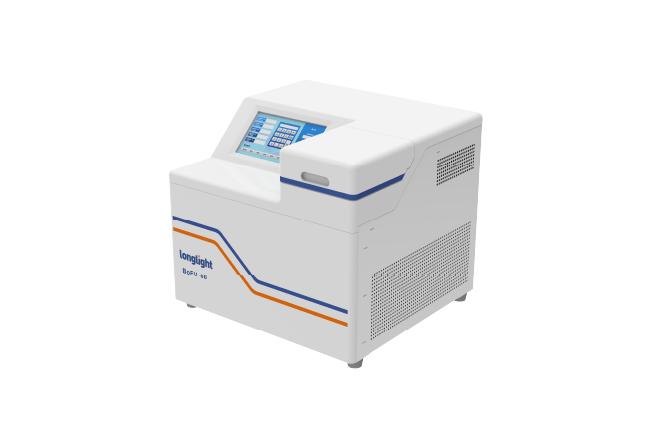
BoFU-80 Focused Ultrasonicator: a 5-Minute, Sealed Workflow
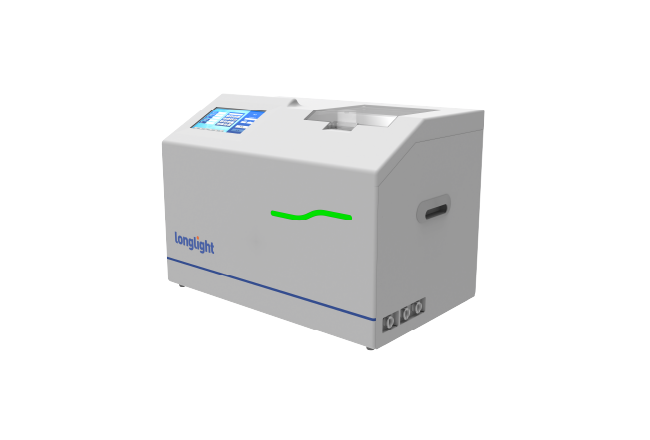
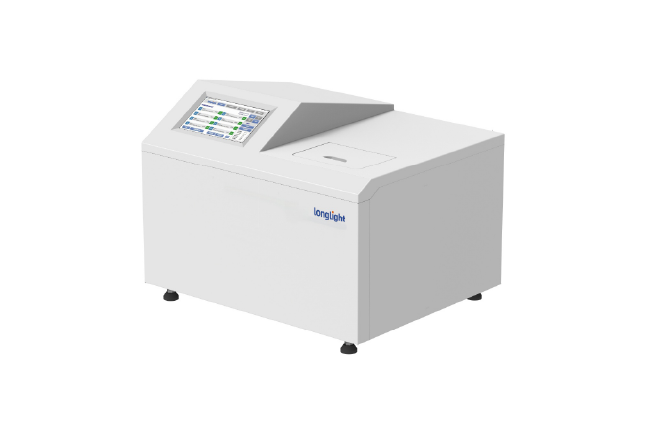
Longlight‘s BoFU-80 Focused Ultrasonicator Instrument applies a high-frequency confocal ultrasound field to concentrate acoustic energy in the sample tube. The purpose is straightforward: obtain more protein from less biomass, in less time, with greater safety and reproducibility.
• Fast Turnaround: Sonicate for about 60 seconds; complete the full pre-treatment workflow in under 5 minutes.
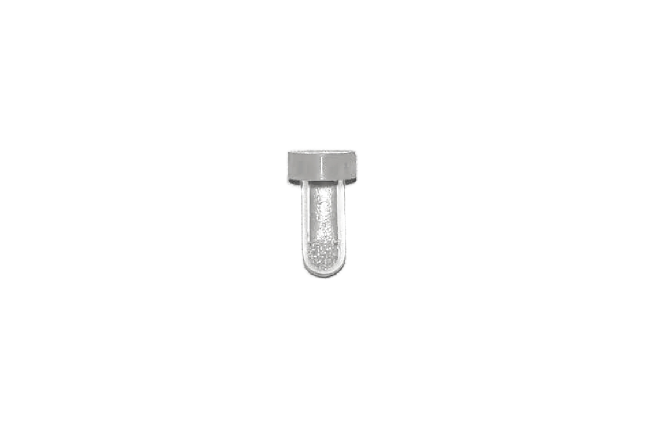
• Sealed And Safe: Ultrasonication occurs in a closed, single-use tube. Fewer openings lower contamination risk to staff and the laboratory environment.
• Micro-Sample Efficiency: Using only 1 – 2 colonies of mycobacteria or Nocardia, or a low spore count, you can obtain sufficient protein for MALDI-TOF.
• Higher Detection Rates: Ultrasound facilitates solvent uptake and wall disintegration, returning more protein at equal biomass and increasing identification success.
• Cross-Platform Compatibility: Protein extracts integrate with MALDI-TOF systems from bioMérieux, Bruker, and Autobio.
BoFU-80 is engineered for standardized results. Each Focused Ultrasonicator Instrument is calibration-verified at the factory for uniform performance. Tight temperature control minimizes heat artifacts during sonication. Isothermal, non-contact energy delivery supports consistent spectra and confident identification. The compact desktop footprint suits routine workflows and advanced applications, including cell lysis, proteomics, chromatin shearing, FFPE extraction, and tissue processing.
2026 Implementation Guide and Call to Action
Adopting a Focused Ultrasonicator Instrument can be completed within a single validation cycle. The following steps guide laboratories in using a Focused Ultrasonicator Instrument to lift MALDI-TOF performance for fungi and Nocardia:
• Define Use Cases: Select filamentous fungi and Nocardia protocols that suffer from limited biomass or protracted ethanol – formic workflows.
• Standardize Tubes And Reagents: Use sealed extraction tubes certified for focused ultrasonication; match extractant formulation to platform recommendations.
• Set Pulse And Duration: Use the BoFU-80 60 s baseline. Assess spectral integrity and identification confidence in a pilot run, then set parameters.
• Verify Temperature Control: Watch the thermal setpoint to protect heat‑sensitive proteins and keep spectra stable.
• Benchmark Gains: Measure pre/post identification rates and TAT with representative strains, including slow growers.
• Document And Train: Write a short SOP with visuals. Train operators to minimize variability and spot ideal pellet and supernatant traits.
• Maintain Libraries: Maintain vendor libraries and extend them with curated local entries created under the updated extraction.
For laboratories building a 2026 upgrade path, BoFU-80 provides immediate gains in speed, safety, and confidence. It shortens time-to-result without expanding biomass requirements. It removes many open-cap operations that add risk and variability. Most importantly, it raises protein yield for organisms that have historically underperformed on MALDI-TOF.
Call to Action
Elevate your fungi and Nocardia identification with the BoFU-80 Focused Ultrasonicator Instrument. Request a demonstration, obtain the validation checklist, or schedule a pilot evaluation on your MALDI-TOF system. Our team will help you configure a fast, sealed, micro-sample workflow that meets accreditation needs and delivers robust, standardized results across your laboratory network.
