

Related Post
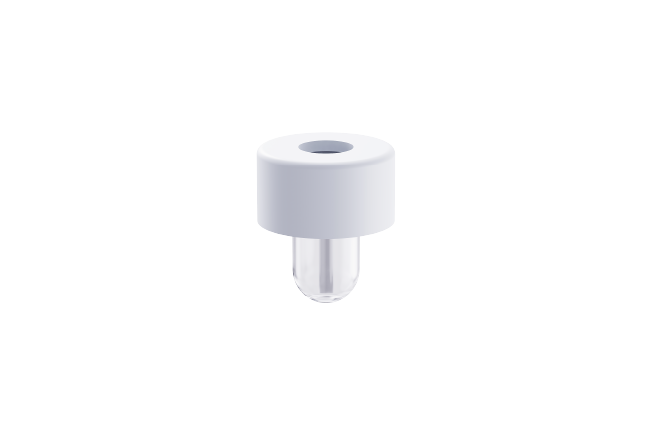
What Makes Sonicator for Molecular Biology Labs Essential for NGS Workflows
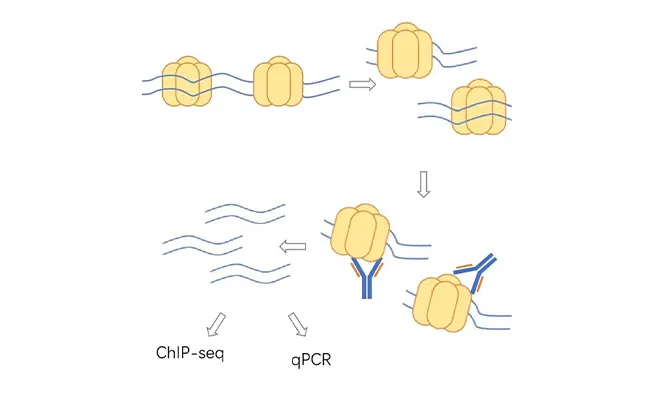
2025-11-12A Sonicator for Molecular Biology Labs uses focused ultrasound to fragment DNA, disrupt cells, and homogenize tissues with tight temperature control. It is non-contact and precise. Labs use it for NGS library prep, FFPE recovery, microbial lysis, and proteomics sample prep. The method is widely adopted by leading genome centers and cited across peer-reviewed workflows worldwide. Results are consistent and scalable from pilot to production. Yet one question remains: why has this tool become the quiet backbone of modern sequencing labs – and what sets it apart from older probe or bath systems? Stay with us to find out.
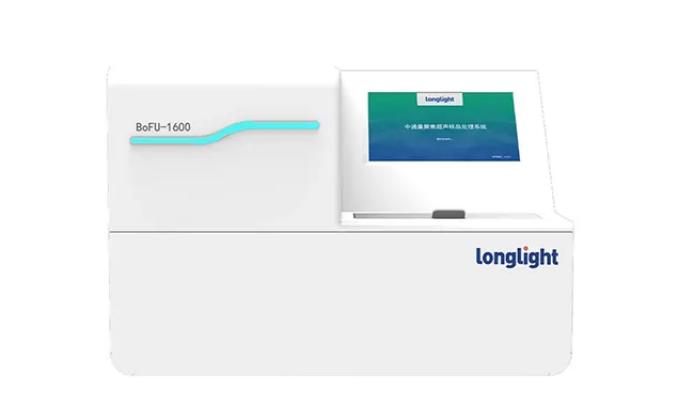
Why A Sonicator For Molecular Biology Labs Powers Reliable NGS
At Longlight Technology, we meet teams who wrestle with the same three issues: inconsistent DNA fragmentation, heat-induced damage, and human-introduced variability. Traditional probe or bath systems spread acoustic energy unevenly and depend on a steady hand. That means run-to-run drift, sample loss, and long troubleshooting cycles.
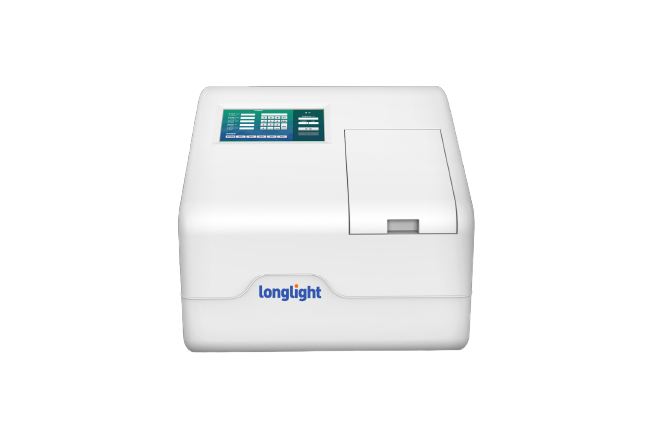
Our focused approach changes that. By concentrating high-frequency, short-wavelength ultrasound precisely at the sample, preparation becomes predictable and repeatable. The sonication happens in a controlled, isothermal, non-contact water environment, so there’s no probe touching precious samples and no hidden contamination risk. A high-sensitivity temperature control system keeps the sample area at a true constant temperature, protecting fragment size distribution and downstream library quality.
For NGS, those details matter. Stable fragmentation curves reduce library bias. Clean, contact-free processing protects low-input or degraded material. Tighter process control shrinks your batch-to-batch variability and keeps bioinformatics from compensating for wet-lab noise. In short, a Sonicator for Molecular Biology Labs turns sample prep from an art into an engineered step.
- The Signal Behind Standardization
We calibrate each instrument for uniform performance. Acoustic focus and temperature control remove common sources of variability, so your SOPs scale from pilot to production without rewriting settings for every lot or operator. The result is standardized outputs that downstream steps – adapter ligation, amplification, and size selection – can depend on.
How Longlight Technology Solves Sample-Prep Pain Points
NGS labs often hit throughput ceilings not because of sequencing capacity, but because prep is the bottleneck. We designed our focused ultrasonication platform to clear that bottleneck with practical, everyday features that fit real workflows.
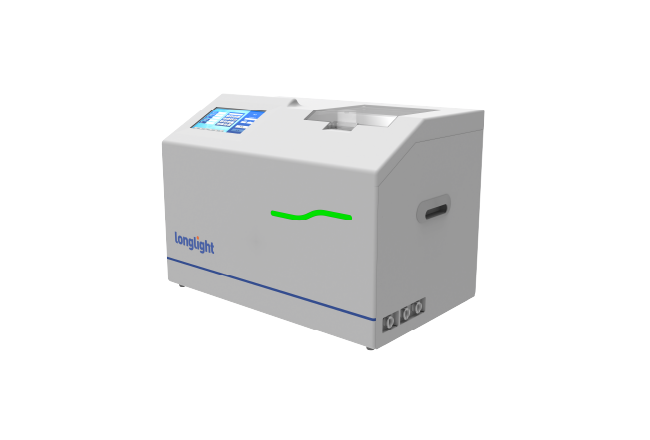
• Parallel throughput without compromise – Sixteen sample positions let you process true batches. Run 1 to 16 tubes at once and set conditions per sample when needed, so sensitive or tricky samples get special care without slowing the whole run.
• Batch mode for repeat work – For similar inputs, apply parameters in bulk and launch with one action. This reduces click-by-click setup and cuts operator time on routine jobs.
• True low- and constant-temperature control – A precise sensing and control loop maintains sample temperature throughout sonication. Protects fragment integrity and minimizes thermal artifacts that skew size profiles.
• Non-contact processing – Focused energy travels through an acoustic medium to the tube. No probe. Fewer contamination vectors. Higher confidence when handling limited or irreplaceable material.
• Traceable and retrievable records – Processing data can be pulled up at any time. That makes QC investigations faster and supports audits and method transfer across sites.
• Automatic drainage and safeguards – One-click waste removal, water-level sensing, and early warnings prevent overflow incidents and cleanup downtime.
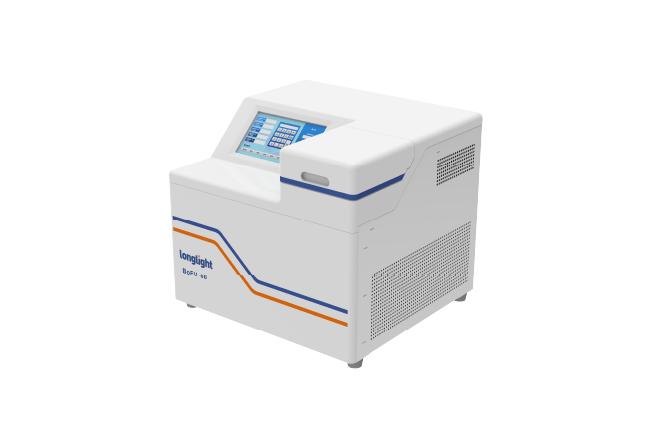
• Quiet and self-contained – Operates comfortably without extra sound-insulation boxes and needs no external computer; the built-in OS saves bench space and simplifies IT approvals.
Together, these capabilities make a Sonicator for Molecular Biology Labs a dependable front end for genome fragmentation, hard-to-lyse cells and tissues, FFPE workflows, and proteomics-adjacent sample prep – without asking your staff to become ultrasound experts.
- Designed For People, Not Just Protocols
Ease of use matters as much as physics. Load tubes, select parameters, and run. The interface supports both granular control and quick-start templates. New team members get up to speed quickly, while experienced users can fine-tune duty cycles and cycles-per-burst to hit target fragment sizes with confidence.
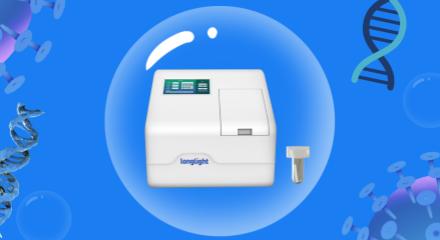
What To Expect From A Sonicator For Molecular Biology Labs In NGS Workflows
Implementing focused ultrasonication with Longlight Technology changes the rhythm of your lab. Most teams see faster stabilization of SOPs, fewer repeats, and a smoother hand-off to library construction. Because fragmentation is consistent, size selection is less wasteful and downstream QC passes more often on the first attempt.
In typical genomics pipelines, the system shines in:
- Genome fragmentation for short-read and hybrid workflows where tight size windows pay off in mapping quality.
- Cell and tissue disruption when you need nucleic acids fast, clean, and at scale.
- Tough samples (e.g., difficult microorganisms or FFPE) where non-contact, temperature-controlled processing protects integrity.
Just as important, the platform supports two working styles. If you’re running varied research samples, you can assign different conditions to each tube and handle complexity in one batch. If you’re running a production-like queue, batch parameters let you standardize and push high-volume work through with minimal touch time. In both cases, traceable records help your team learn quickly and lock in the settings that work best for your materials.
- From Data Quality To Cost Control
Better physical fragmentation translates to better data economics. When libraries pass QC the first time, reagent spend drops and sequencer uptime rises. Quiet operation and an all-in-one footprint reduce the soft costs of infrastructure and bench reconfiguration. And because processing is non-contact and automated, you protect staff time from avoidable rework.
Final Words
Ready to make sample prep as reliable as your sequencer? Talk to Longlight Technology about integrating a Sonicator for Molecular Biology Labs into your NGS workflow. We’ll help you choose parameters, validate results, and scale from pilot runs to routine production – without rewriting your process every week.
