

Related Post
How Focused Sonication for Microtubes Protects Precious Samples
2025-12-09Focused Sonication for Microtubes is quietly changing how labs treat their most precious samples. When you only have a few microliters of DNA, RNA, or protein, every step feels risky. One harsh sonication cycle can mean broken fragments, lost material, or poor sequencing data. Yet many labs still rely on traditional, hard-to-control methods. Why are more researchers now switching to focused, closed-tube sonication, and what does it actually do differently?
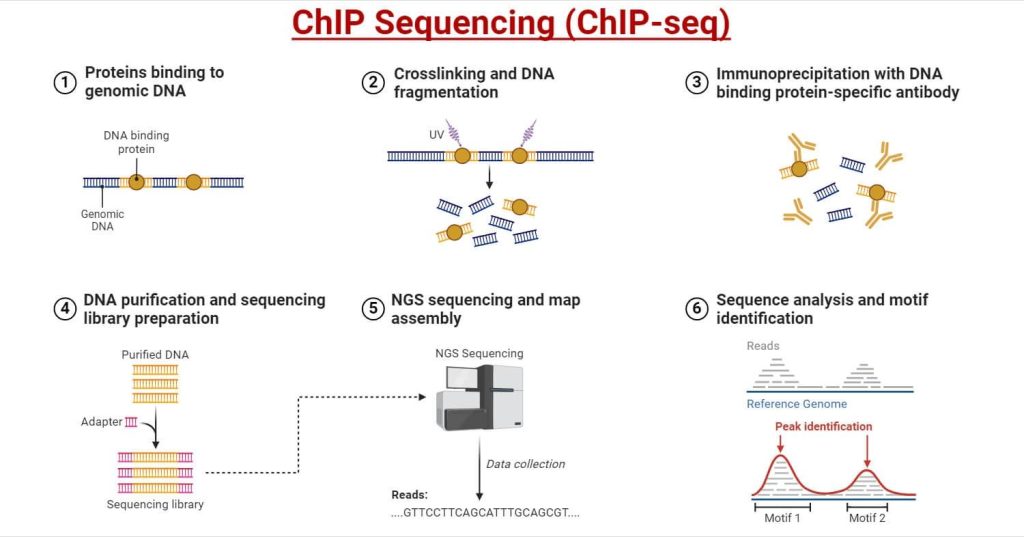
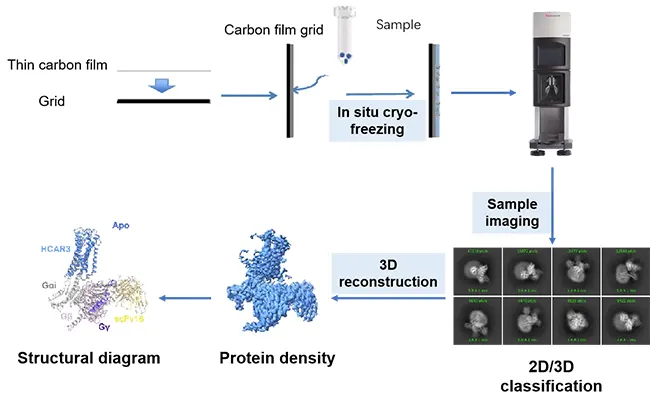
(ChIP Sequencing (ChIP-seq): Principle, Steps, Uses, Diagram)
Focused sonication in microtubes uses high-frequency, precisely directed ultrasound to process samples inside sealed tubes. The energy is focused exactly where the sample sits, instead of spreading across a whole water bath or through a shared probe. This approach has become a workhorse in DNA shearing for next-generation sequencing, chromatin fragmentation for ChIP-seq, FFPE sample treatment, and tough cell or tissue disruption in cancer and microbiology research. Many high-impact genomics and proteomics studies now depend on this kind of controlled sonication to get clean, reproducible fragments. But the real question is: how does this technology actually protect fragile samples better than the tools you already have on your bench?
Why Precious Samples Need Extra Protection
Most labs have a drawer or a box that everyone treats carefully. Inside are things like rare patient samples, needle biopsies, unique microbial isolates, or irreplaceable FFPE blocks. These samples are usually low volume and not easy to obtain again. At the same time, they are expected to feed demanding downstream workflows such as NGS, proteomics, or MALDI-TOF MS.
Yet many of these samples still pass through old-style preparation steps. Water bath sonicators and probe systems are common, but they were not designed with today’s sensitivity and throughput needs in mind. Energy spreads through the bath instead of being precisely focused on the sample. Probes must be cleaned, repositioned, and checked by hand. Temperature can climb without being noticed until it is too late.
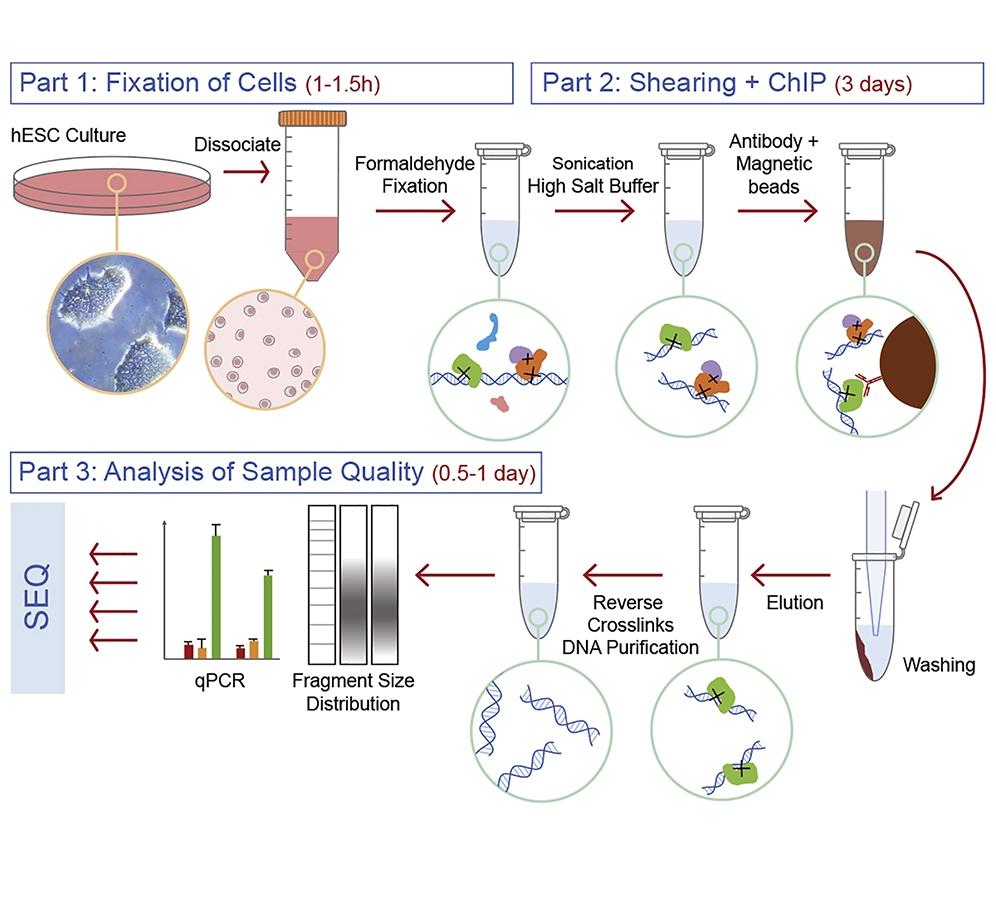
(An Optimized Protocol for ChIP-Seq from Human Embryonic Stem Cell Cultures)
- The figure outlines a three-part ChIP workflow.
Part 1: Human embryonic stem cell cultures are dissociated to single cells and treated with formaldehyde to fix protein–DNA interactions.
Part 2: Fixed chromatin is lysed and sonicated in high-salt buffer to shear DNA into fragments. Antibodies against specific proteins are added, and immune complexes are captured with magnetic beads, then extensively washed. Bound chromatin is eluted from the beads.
Part 3: Crosslinks are reversed and DNA is purified. Sample quality is evaluated by qPCR enrichment and DNA fragment size distribution, after which suitable samples proceed to high-throughput sequencing.
Over time, these small issues add up. You see inconsistent fragment sizes in DNA shearing. Protein samples lose activity. Replicates behave differently even though the protocol is “the same”. When the sample is rare or expensive, these outcomes are not just frustrating – they are costly.
✅Hidden Risks in Conventional Sonication
•Sample loss or aerosol formation when tubes are open
•Cross-contamination if one probe is used across multiple samples
•Overheating in water baths, damaging sensitive molecules
•Operator-to-operator variability in settings and handling
•Extra time spent repeating low-quality or failed runs
For samples that only exist once, this level of risk is hard to justify. This is why more labs are turning to Focused Sonication for Microtubes to bring sample prep into a clean, closed, and controlled environment.
How Focused Sonication for Microtubes Works Day to Day
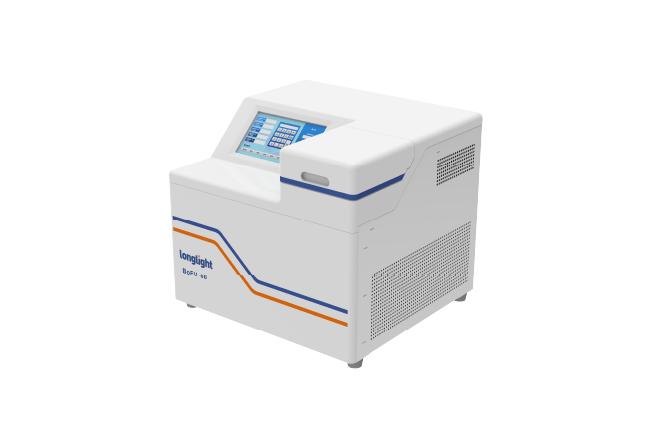
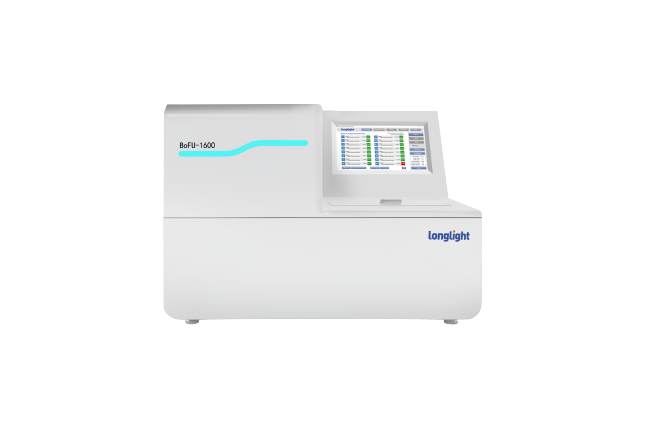
Instead of filling a tank and hoping the ultrasound energy reaches the right place, Focused Sonication for Microtubes directs that energy onto sealed microtubes in a controlled way. A compact desktop focused ultrasonicator from the BoFU series uses confocal acoustic technology to focus high-frequency, short-wavelength sound waves precisely at the sample location in each tube.
The system offers up to 16 sample well positions. You can choose to run just one critical sample or a full batch of similar samples. For each tube, you are free to set its own sonication conditions. That means fragile tissue, tough microorganisms, and standard genomic DNA do not need to share one “one-size-fits-none” protocol. Each gets the energy profile it needs.
The whole process is non-contact. The sample remains inside a closed microtube during sonication. The ultrasound travels through an acoustic medium, couples into the tube wall, and then into the sample. There is no direct contact with a probe, and no open tubes exposed to the environment. This design cuts down the chance of contamination and simplifies cleaning routines.
Temperature is another key point. The system uses a high-sensitivity temperature sensing and control setup that keeps the sample area at a low and constant temperature throughout the run. You can run powerful, efficient sonication without worrying that heat buildup will damage DNA, RNA, or protein structure. For next-generation sequencing or proteomics, this stable temperature control is essential for getting consistent fragment size distributions and reliable data.
On a practical level, Focused Sonication for Microtubes also aims to make the operator’s day easier. You can:
•Flexibly handle 1 – 16 samples with individual conditions
•Use batch processing mode for one-click handling of similar samples
•Work in a quiet environment without extra sound insulation boxes
•Rely on automatic drainage and water-level monitoring for safer runs
•Run everything from an integrated operating system, without an external PC
•Retrieve detailed processing information later for documentation and audits
All of this helps turn sonication from a manual, noisy step into a controlled, documented part of your workflow.
From Daily Pain Points to Confident Results
If you look across modern genomics and proteomics workflows, a pattern emerges. The front-end sample prep is often the least automated and most fragile step. You might be:
•Fragmenting genomic DNA for NGS libraries
•Processing filamentous fungi or Mycobacteria for MALDI-TOF MS
•Disrupting cells and tissues for genome or protein extraction
•Deparaffinizing FFPE samples before downstream analysis
Each of these tasks pushes your sample handling to its limits. Volumes are small. Targets are sensitive. Downstream assays demand high quality. At the same time, lab teams are under pressure to process more samples with fewer errors.
By introducing Focused Sonication for Microtubes into this picture, you stabilize a critical step. Instruments in the BoFU focused ultrasound line are carefully calibrated so that performance is consistent across units. That helps reduce variability between different devices, labs, or operators. Once the sonication protocol is optimized, you can rely on it as a standard rather than a moving target.
The system also supports traceability. Sample processing information can be retrieved at any time, which is valuable for method validation, quality audits, or troubleshooting. If an NGS run behaves unexpectedly, you can go back and confirm exactly how the sonication step was executed.
From an operational perspective, faster processing, fewer failed runs, and better use of rare material all translate into lower cost per result. With a more reliable sonication step, scientists repeat fewer experiments and move faster to data interpretation. Budgets stretch further, and timelines are easier to predict. Most importantly, your most valuable samples are no longer at constant risk.
Thinking about the Next Critical Sample You Process?
If you still rely on older bath or probe systems, ask yourself whether they truly match today’s sensitivity needs. Focused Sonication for Microtubes helps you:
•Reduce damage to sensitive DNA, RNA, and proteins
•Cut down variation between operators and locations
•Support high-stakes projects in sequencing and proteomics
Call to action:
Take a fresh look at your sonication step and identify where quality is lost. Then consider how focused microtube sonication can close those gaps. Then talk with our team about integrating a focused ultrasonicator from the BoFU series into your workflow. With Focused Sonication for Microtubes, you can cut risk, trim hands-on time, and get more reliable results from every precious microliter on your bench.
