

Related Post
What Makes an Ultrasonicator Instrument Ideal for Low Temperature Processing?
2025-12-09In many modern labs, an Ultrasonicator Instrument has become a quiet essential. It uses focused ultrasonic energy to break cells, fragment DNA, and prepare complex biological samples. You will see it in next-generation sequencing workflows, proteomics research, and FFPE tissue processing for clinical studies. These instruments help scientists achieve precise, repeatable sample prep without manual guesswork. But why do so many researchers now insist on low temperature ultrasonication - and what really makes one system stand out from another? That is where the story gets interesting.
Why Temperature Control Is Critical for Modern Sample Prep
Anyone working in genomics or proteomics knows that sample prep can make or break a project. A small, unnoticed jump in temperature during sonication can quietly undo hours of careful upstream work.
A slight increase in heat can:
✅Break DNA and RNA fragments in an uncontrolled way
✅Damage proteins and enzymes
✅Introduce variability that only appears when you look at final data
Traditional water bath or probe-based sonicators make this worse. You add ice, you pause the run, you move tubes to another setup. Even with these extra steps, temperature often drifts over time. Fragment size starts to shift, yields change from batch to batch, and troubleshooting becomes routine.
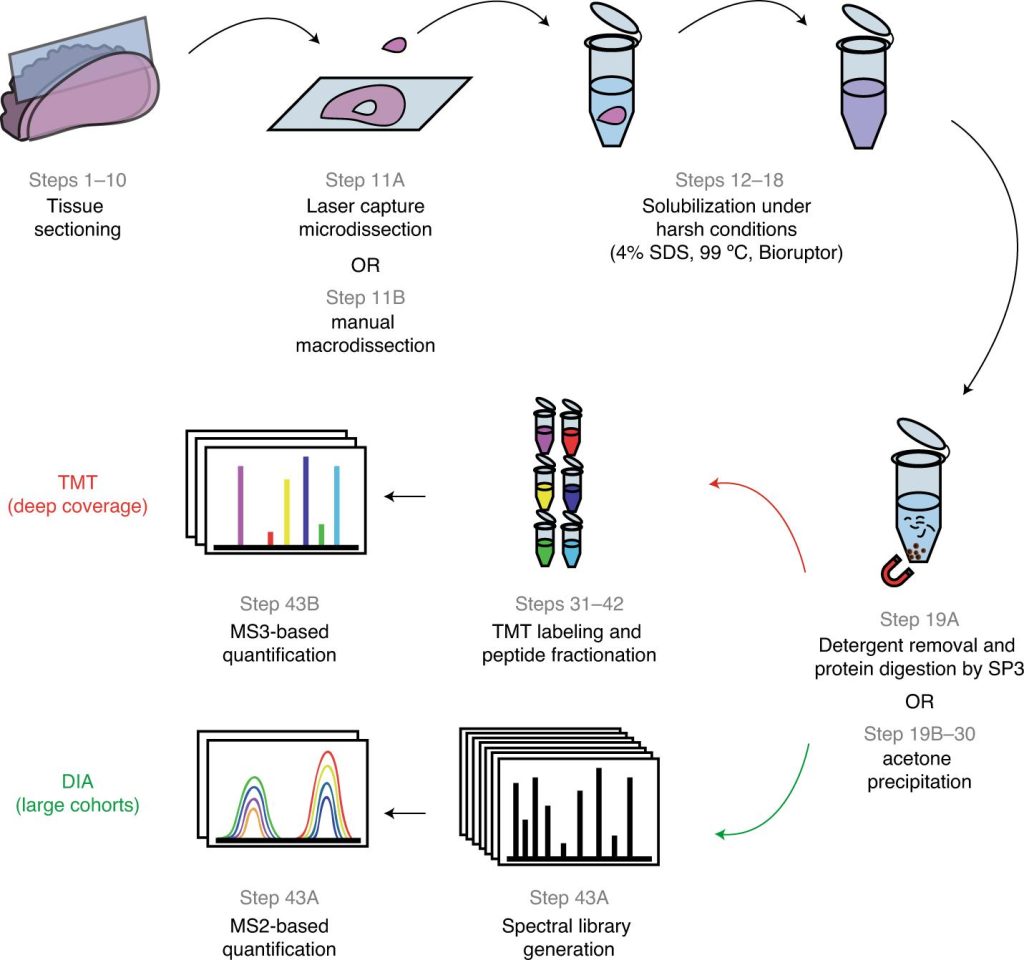
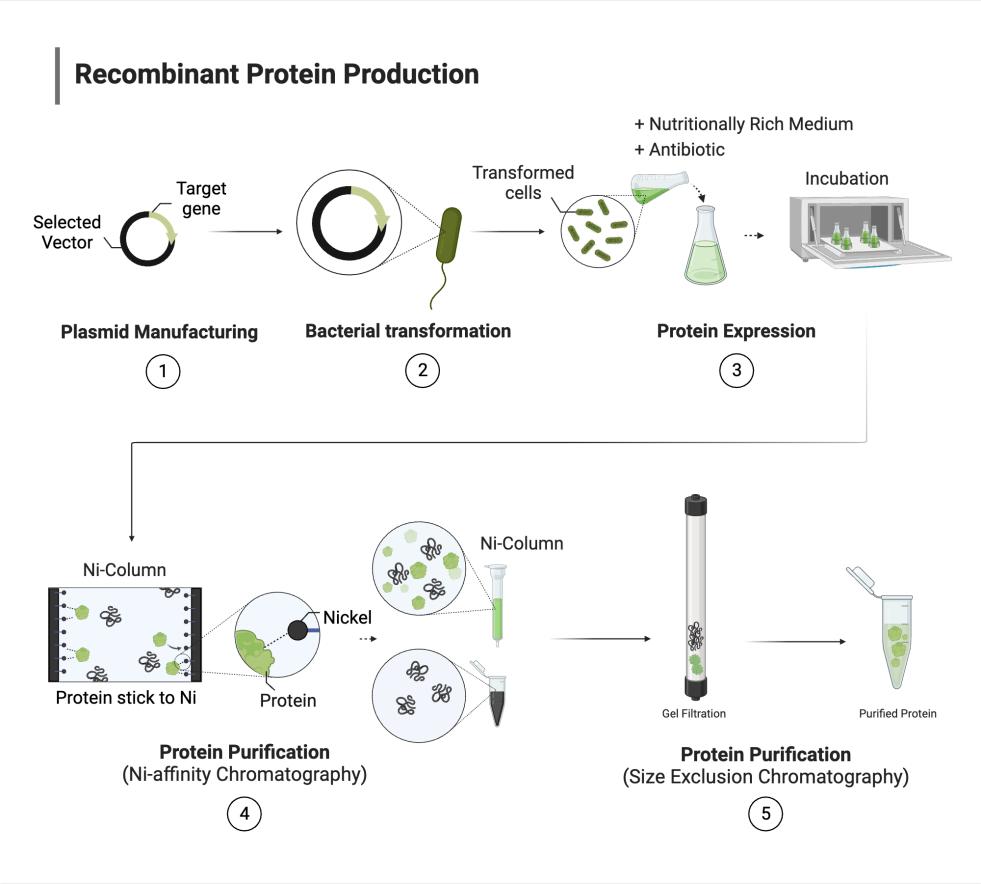
(Spatially resolved analysis of FFPE tissue proteomes by quantitative mass spectrometry | Nature Protocols)
- The figure diagrams a proteomic workflow for tissue samples. Tissue blocks are sectioned, and regions of interest are isolated by laser capture microdissection or manual macrodissection. Material is transferred to tubes and proteins are solubilized under harsh conditions with SDS, heat, and sonication. Detergent is then removed and proteins are digested to peptides using SP3 bead-based cleanup or acetone precipitation. For deep coverage, peptides undergo TMT labeling, fractionation, and MS3-based quantification. For large cohorts, unlabeled peptides are used to build a spectral library and are analyzed by DIA with MS2-based quantification, enabling comprehensive, quantitative mapping of tissue proteomes in studies.
For workflows such as next-generation sequencing library preparation, MALDI-TOF MS sample prep, or FFPE tissue processing, this instability is more than an inconvenience. It can lead to:
•Inconsistent DNA shearing profiles
•Poor reproducibility between operators, instruments, or sites
•Extra repeats, more consumable use, and delays in project timelines
This is the challenge we designed our Ultrasonicator Instrument to address: keep samples truly cool and stable while delivering efficient, focused ultrasonic energy.
How Our Ultrasonicator Instrument Keeps Samples Cold and Clean
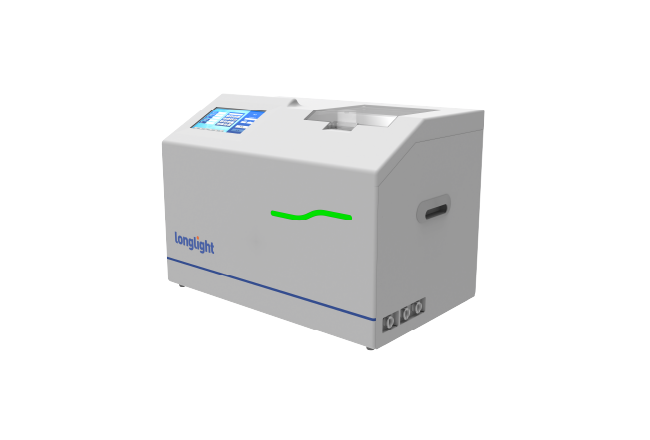
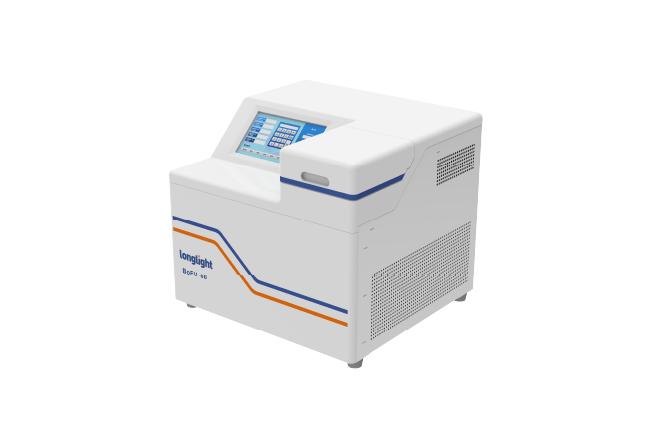
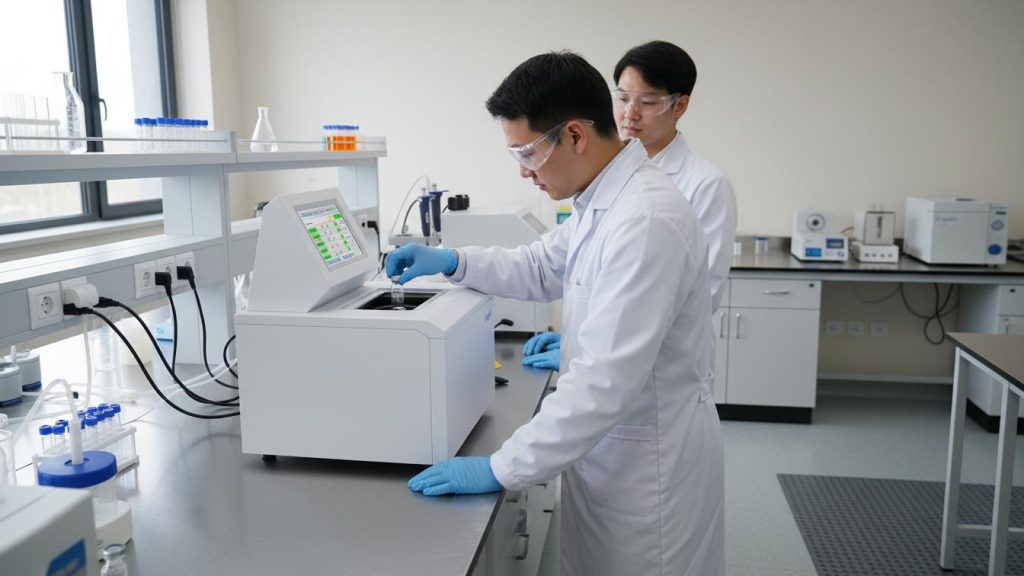
A focused Ultrasonicator Instrument from Longlight Technology does not behave like a classic probe system. Instead of dispersing energy through a large, uneven water bath - or sending a metal tip directly into your tube - it concentrates ultrasonic energy exactly where you need it: on the sample container itself.
Non-Contact Processing for Cleaner Workflows
In our system, ultrasonic waves reach the sample through an acoustic medium, without any hardware entering the tube. That simple change has a big impact:
✅No metal probe touching the sample
✅Less chance of cross-contamination between runs
✅Reduced risk of physical damage from a worn or misaligned tip
For labs working with rare clinical material or limited research samples, this non-contact approach helps protect every microliter. Workflows become easier to standardize, because you remove a major source of variability: the human hand adjusting a probe and watching the ice bath.
Real Low Temperature, Not Just A Setpoint
Low temperature processing is not just a checkbox on the interface. It depends on how closely you can monitor and respond to temperature drift. Our Ultrasonicator Instrument uses a high-sensitivity temperature sensing and control system that constantly tracks the conditions in the sample area.
Our system continuously watches the temperature in the sample area. It maintains an even, isothermal water layer around the tubes. At the same time, it actively compensates for heat produced during sonication.
As a result, the temperature you set is the temperature your sample actually sees. You are free to fine-tune sonication time, duty cycle, and power, without worrying about hidden temperature spikes.
This precise thermal control is especially important for NGS DNA, RNA, and chromatin shearing. Proteomics workflows also benefit, because sensitive proteins and enzymes remain protected. In FFPE deparaffinization and tissue lysis, it reduces the risk of overheating that can harm tissue morphology and downstream data.
In real labs, workloads change every day - from small pilot runs to full production batches. Our Ultrasonicator Instrument supports both situations without changing platforms.
You can:
- Run from one to multiple samples at a time, each with its own parameters
- Use batch processing to apply a single set of conditions to similar samples with one setup
This flexibility lets you validate new settings on a few samples, then scale immediately to a larger batch. It reduces manual programming steps and helps operators follow consistent methods across the team.
- Built for Real Lab Life
We also design around the everyday details that often get ignored:
•Quiet operation - The system runs quietly enough that you do not need extra sound insulation boxes. It can sit on a standard lab bench, even in shared spaces.
•Integrated control - With a built-in operating system, there is no need for an external computer. This saves space and reduces one more point of failure.
•Traceable process data - Processing information can be accessed when you need it, supporting real traceability in your experimental records.
•Automatic drainage - Waste liquid can be discharged with a single command, and a sensitive water level sensor with early warning helps prevent accidental overflow.
Taken together, these features turn low temperature ultrasonication into a reliable everyday tool rather than a special, high-maintenance step in your workflow.
From Daily Workflow to Data Quality: Why Labs Choose Longlight
At Longlight Technology, we focus on the entire sample preparation journey, from the first tube you load to the quality of the data you see at the end. Our Ultrasonicator Instrument is not just an upgrade in hardware; it is a way to make your sample prep more predictable.
- Turning Pain Points into Stable Processes
Instead of losing ultrasonic energy across a large water bath, our focused design directs energy efficiently to the sample container. The process happens in a controlled, non-contact, isothermal water environment. The result for your lab is:
•Stable and repeatable acoustic energy delivery
•Less variation between different sample positions in the instrument
•Consistent fragmentation and homogenization across DNA, RNA, proteins, cells, and tissues
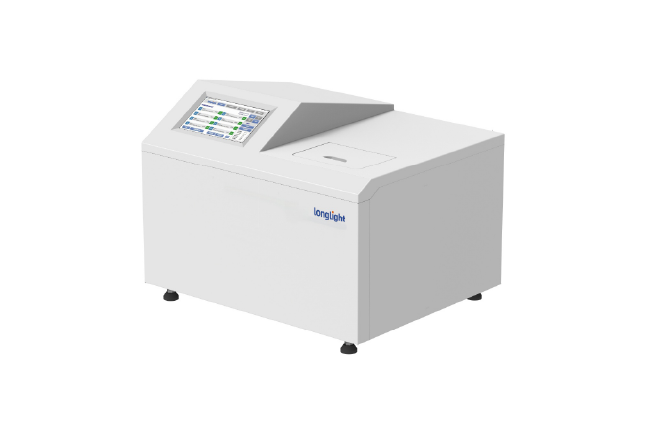
Every unit is carefully calibrated so that performance is aligned across instruments. This makes it easier to transfer methods between teams, compare results from different sites, and scale projects without re-optimizing from scratch.
Because samples stay in sealed tubes during ultrasonication, handling is straightforward. You load the tubes, select or create a method, and start the run. Tough microorganisms, dense tissues, and FFPE blocks can all be processed efficiently, with less hands-on time and fewer interruptions.
- Bring Confidence Back to Sample Preparation
Imagine low temperature sonication that simply works: no unexpected heating, no worries about cross-contamination, and no need to rerun critical samples.
That is what a focused Ultrasonicator Instrument from Longlight Technology is designed to deliver. It helps you protect delicate DNA, RNA, and proteins while keeping throughput high.
Get in touch with Longlight Technology to request more information or book a live demonstration tailored to your lab’s workflow.
